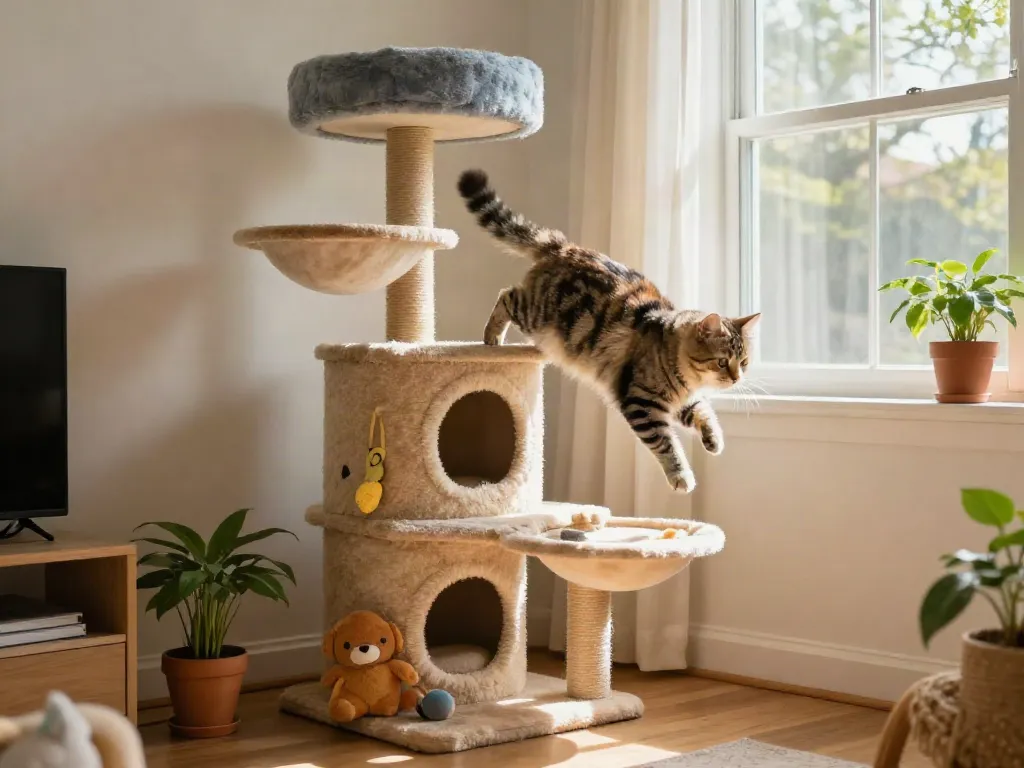
Understanding the Benefits of a Cat Cat Tree
Owning a cat can be an immensely rewarding experience; however, it comes with its own set of challenges. One of the most effective solutions to ensure your feline friend is physically active and mentally stimulated is by investing in a cat cat tree. These multi-tiered structures not only provide a sanctuary for your pet but also serve various practical purposes that enhance their quality of life.
Why Cats Need Vertical Space?
Cats are naturally inclined to climb and seek high vantage points. Vertical space is critical for their well-being as it allows them to observe their surroundings, feel secure, and access various areas of their territory without feeling threatened. A well-designed cat tree provides an ideal solution, offering multiple platforms that cater to this instinctive behaviour.
The Importance of Scratching Features
Scratching is a fundamental behaviour in cats, serving multiple purposes such as maintaining claw health and marking territory. A quality cat tree should incorporate scratching posts made from durable materials such as sisal or carpet. This not only protects your furniture but also provides your cat with an appropriate outlet for their scratching needs.
How Cat Trees Enhance Play and Exercise
Incorporating a cat tree into your home can significantly enhance your cat’s playtime and exercise. Many modern cat trees come equipped with interactive features such as dangling toys, tunnel systems, and different levels to climb. These elements encourage your pet to engage in physical activity, which is essential for their overall health, especially in indoor cats who may not have as many opportunities to exercise.
Choosing the Right Cat Cat Tree for Your Home
When selecting a cat tree, it’s essential to consider various factors to ensure it meets both your needs and those of your feline companion. The market offers an extensive range of options, making the selection process both exciting and overwhelming.
Factors to Consider When Selecting a Cat Tree
- Size: Consider the space available in your home. A larger tree may be suitable for spacious living areas, while smaller units can fit comfortably in compact spaces.
- Height: Cats love to climb, so choosing a tall cat tree can make them happier.
- Stability: Ensure that the tree is sturdy enough to support your cat's weight, especially if you have multiple cats.
Comparing Materials and Design Styles
The materials used in constructing cat trees can vary significantly. From plush fabric to durable wood, consider what will work best in your home. While some cats may prefer the soft texture of fabric, others might appreciate the sturdiness of wood. Furthermore, design styles should complement your home decor, so look for options that blend seamlessly into your living space.
Understanding Size and Space Requirements
Before purchasing a cat tree, measure your available space. A cat tree that is too large can overwhelm a small room, while a tiny tree may feel inadequate in a spacious area. Additionally, think about the number of pets that will use it, as a larger unit might be necessary for multi-cat households.
Top Features to Look for in a Cat Cat Tree
Not all cat trees are created equal. Features vary widely, making it crucial to identify what best suits your cat's habits and personality. When shopping for a cat tree, consider looking for the following key features.
Essential Features for Multi-Cat Households
- Multiple Levels: A cat tree with several tiers allows different cats to claim their territory, reducing the chances of conflicts.
- Hideaways: Enclosed spaces provide a sense of security for cats who enjoy retreating.
- Wide Platforms: More space for lounging means fewer confrontations over prime resting spots.
Interactive Elements that Stimulate Your Cat
Interactive features like hanging toys, ramps, and scratching pads can keep your cats entertained for hours. These elements not only provide stimulation but also promote exercise, essential for your cat's physical and mental health.
Safety Considerations for Cat Trees
When investing in a cat tree, safety should be paramount. Ensure that it has a wide base for stability and check that all parts are securely attached to prevent tipping or collapsing. Additionally, look for non-toxic materials, especially if your cat has a penchant for chewing.
Maintenance Tips for Long-lasting Cat Cat Trees
To ensure your cat tree remains an integral part of your cat's environment, regular maintenance is crucial. Neglecting this can lead to wear and tear, making the tree less appealing and potentially unsafe.
How to Clean and Maintain Your Cat Tree
Cleaning a cat tree should be a regular part of your routine. Use a vacuum to remove loose fur, and spot clean any stains with pet-safe cleaning solutions. Regularly inspect for signs of wear, such as frayed scratching posts or loose parts, to maintain the tree's integrity.
Repairing Common Wear and Tear
Over time, scratching posts can wear down and require replacement. Many manufacturers sell replacement parts, making it easy to extend the life of your cat tree. Additionally, tightening screws and checking stability periodically can prevent accidents.
How to Refresh and Upgrade Your Cat Tree Over Time
Consider upgrading your cat tree with new accessories such as extra scratching posts or platforms. Adding new elements can reinvigorate your cat's interest in the tree, making it feel like new without the expense of a complete replacement.
Future Trends in Cat Furniture Design
The world of cat furniture is evolving, and design trends for 2026 reflect both aesthetic and functional advancements. Keeping an eye on these trends can help you select a tree that suits your home and your cat’s lifestyle.
Innovative Designs in 2026
Future cat trees are likely to feature modular designs, allowing for customizable configurations that cater to different living spaces. This flexibility ensures that cat owners can adapt their cat trees to suit changing needs.
Eco-Friendly Materials and Sustainability
As more consumers demand environmentally friendly options, expect to see cat trees made from sustainable materials such as bamboo, recycled plastics, and organic fabrics. These choices not only benefit the planet but also provide a safe environment for your pets.
Combining Aesthetics with Functionality
Gone are the days when cat furniture was merely functional. Modern designs incorporate elegant shapes and colours that complement home decor, ensuring your cat's furniture can be an attractive addition to your living space.
What are the key benefits of having a cat tree?
Key benefits include providing vertical space, encouraging physical activity, preventing furniture damage, and offering a dedicated space for scratching and resting.
How to train your cat to use a cat tree?
Use toys and treats to encourage your cat to explore the tree. Placing treats on different levels can incentivise them to climb. Patience is essential, as every cat will adapt at their own pace.
Can a cat tree help with behavioural issues?
Yes, a cat tree can alleviate stress and anxiety by providing a secure space for cats to retreat. It also helps satisfy their natural instincts to climb and scratch, which can reduce destructive behaviours.
What should I look for in a cat cat tree?
Look for stability, quality materials, sufficient scratching surfaces, and features that cater to your cat's personality, such as hideaways and interactive elements.
How often should I replace my cat tree?
The lifespan of a cat tree can vary based on usage and quality, but it is advisable to look for signs of wear every few years. Regular maintenance can extend its life, but if significant damage occurs, consider replacement.