
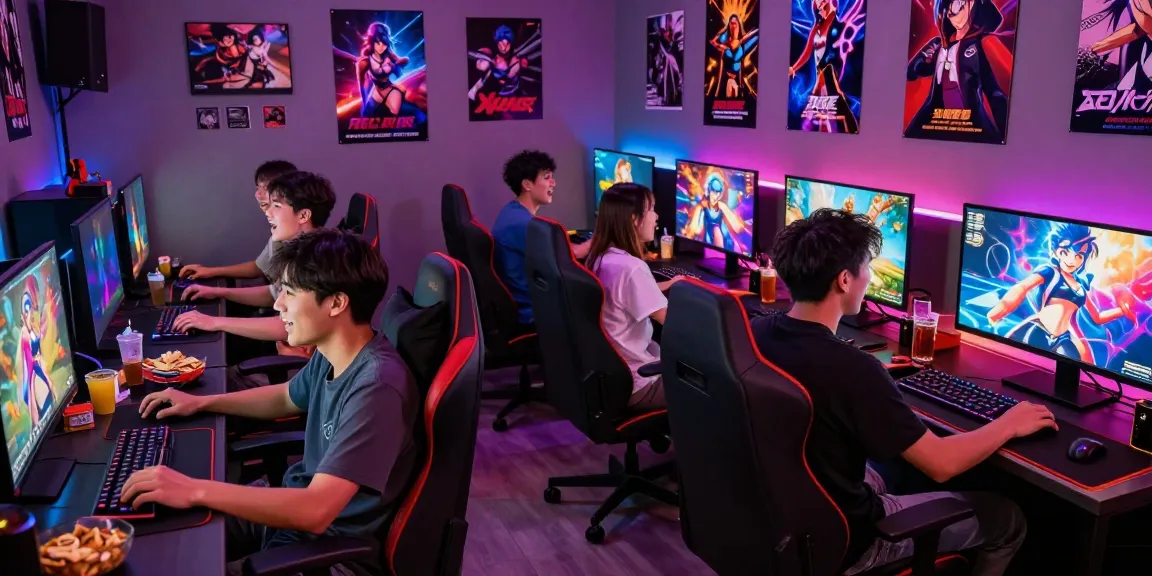
The Evolution of Hentai Games
Over the past few decades, the world of hentai games has grown exponentially, transforming from niche titles into a prominent genre within the gaming landscape. Hentai games, which combine adult-themed narratives with interactive gameplay, have captured the interest of a diverse audience, thanks in part to their blend of storytelling, art, and player agency. This article will explore the evolution of hentai games, their audience, popular trends, challenges faced by the industry, and predictions for the future.
History and Origins of Hentai Games
The origins of hentai games can be traced back to the early days of video gaming in Japan, where adult-oriented titles began to emerge during the 1980s. These early games were often simplistic in design and gameplay but carried themes that appealed to adult audiences. The genre gained traction with the advent of CD-ROM technology in the 1990s, allowing for more sophisticated graphics and storytelling. As technology advanced, hentai games evolved, offering players immersive experiences that drew from the rich narratives of anime and manga.
How Hentai Games Have Adapted to Technological Changes
As technology has progressed, so too have hentai games. The transition from 2D to 3D graphics opened new avenues for game developers, enabling dynamic animations and deeper engagement with characters. The development of online multiplayer capabilities allowed players to interact within thriving communities. Today, many hentai games are accessible directly in browsers, offering convenience and inclusivity, allowing players to explore a wide variety of hentai games without the need for dedicated downloads.
The Influence of Anime and Manga on Hentai Gaming
Anime and manga culture have profoundly influenced the aesthetic and narrative style of hentai games. Many titles draw inspiration from popular anime tropes, allowing players to engage with familiar character archetypes. The storytelling in hentai games often parallels that found in anime series, filled with emotional arcs, character development, and intricate plots that keep players invested.
Understanding the Audience
To effectively create and market hentai games, developers must understand their audience. The demographic landscape of players continues to diversify, expanding beyond the traditional stereotypes associated with adult content consumption.
Demographics of Hentai Game Players
Recent surveys indicate that the majority of hentai game players are aged between 18 and 35, comprising a mix of both male and female audiences. This demographic shift highlights a growing acceptance of adult-themed gaming among various age groups. Furthermore, players come from diverse backgrounds, with varying interests and motivations for engaging with hentai games.
Psycho-Social Factors Influencing Player Engagement
Understanding player motivation is key to developing compelling hentai games. Many players engage with these titles for escapism, seeking a break from reality through fantastical narratives. Others are attracted to the unique blend of art, storytelling, and interactivity that hentai games offer. Research suggests that players might also find community and social connection within gaming platforms, leading to increased engagement.
Community Interactions and Online Forums
The online community surrounding hentai games is vibrant and interactive. Forum discussions, fan art, and user-generated content contribute to an active culture that encourages sharing and creativity. These interactions not only enhance the experience but also foster a sense of belonging among players, making the game more than just a solitary activity.
Popular Trends in Hentai Gaming
As the genre continues to grow, certain trends have started to define the landscape of hentai gaming, shaping the kinds of titles that capture players' interest.
Notable Titles and Their Impact on the Genre
Several hentai games have made significant impacts on the genre, setting new standards for gameplay and storytelling. Titles like "HuniePop" have combined puzzle mechanics with adult content, while "Nekopara" has gained popularity for its charming characters and engaging narratives. These games illustrate how innovation can attract a wider audience and elevate the genre.
Innovative Gameplay Mechanics in Hentai Games
Modern hentai games often incorporate unique gameplay mechanics that enhance user experience. Elements such as branching narratives, character customization, and even RPG elements allow players to forge their own paths within the story. These innovations create more immersive experiences that appeal to a broader range of gamers.
Personalization and Customization Features
Personalization has become a key feature in many hentai games, allowing players to tailor characters and storylines to their preferences. By offering customization options for characters' appearances and story choices, developers can foster a greater connection between players and the game world, enhancing immersion and satisfaction.
Addressing Controversies and Challenges
Despite its popularity, the hentai gaming industry faces numerous controversies and challenges that can hinder its growth and acceptance.
Misconceptions About Hentai Games
Hentai games are often misconceived as solely being about explicit content, overshadowing the narrative depth and artistic expression they can offer. These misconceptions can deter potential players who might otherwise appreciate the genre for its storytelling and character development.
Legal and Ethical Considerations in Hentai Gaming
The legal landscape surrounding hentai games is complex, influenced by cultural differences and varying regulations. Developers must navigate issues related to censorship, age restrictions, and the portrayal of sensitive themes. Ethical considerations also play a role, particularly concerning consent and representation within game content.
Strategies for Responsible Gaming
As with any form of gaming, responsible engagement is essential. Developers and players should advocate for healthy gaming practices, ensuring that the content consumed does not negatively impact mental health or reinforce harmful stereotypes. Encouraging discussions about the content and its implications can foster a more informed gaming community.
The Future of Hentai Games
Looking ahead, the future of hentai games appears promising, with various trends and technological advancements on the horizon.
Predicted Developments Leading into 2026
As we approach 2026, it is anticipated that the hentai gaming industry will continue to evolve, embracing new technologies and storytelling techniques. Increasing collaboration between artists and developers can lead to visually stunning titles that push the boundaries of creativity.
Potential Technological Advancements Shaping Gameplay
Emerging technologies such as virtual reality (VR) and augmented reality (AR) hold significant potential for transforming the way players experience hentai games. These innovations could lead to more immersive environments, allowing players to interact with characters and narratives in unprecedented ways.
Emerging Trends in User-Generated Content
User-generated content will likely become increasingly integrated into hentai games, empowering players to create and share their own stories and characters. This trend can foster community engagement and expand the richness of the game universe, inviting even more players to participate.
What Are the Next Steps for the Hentai Gaming Industry?
To continue thriving, the hentai gaming industry must address its challenges head-on, while also pushing for greater acceptance and understanding of the genre. By focusing on quality storytelling, ethical considerations, and inclusive community practices, developers can ensure that hentai games remain a relevant part of the gaming culture.
How Will Hentai Games Continue to Evolve?
Hentai games will likely evolve alongside advancements in technology and shifting societal perspectives. As cultural acceptance grows, there will be opportunities for more diverse narratives and characters that reflect a broader range of experiences, ultimately enriching the genre for future generations of players.